
A tooth cannot be saved – and the understandable question is: “Can’t the implant simply go in right away?” The answer: yes, it often can. Immediate implant placement in Berlin is one of the topics we advise on most frequently. But just as important as the “whether” is the “when it makes sense” – an immediate implant is a concept for the right starting situation, not a promise for every case. This guide explains how the treatment works, who benefits from it, and when a staged approach delivers the safer result.
What is an immediate implant?
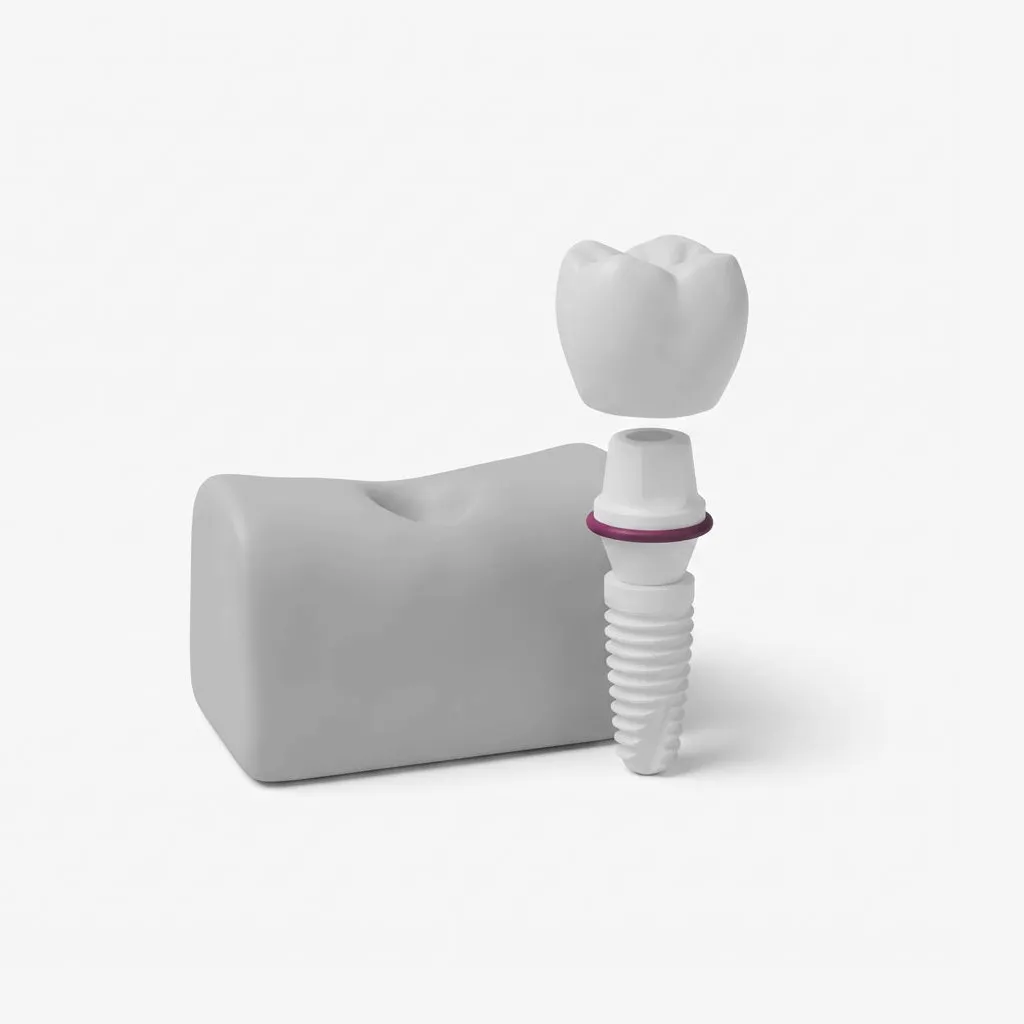
With classic implantation, a tooth is removed, the site heals for several months – and only then is the implant placed. With an immediate implant, both happen in a single session: the unsalvageable tooth is gently extracted, and the implant is placed directly into the fresh socket.
Three terms are often confused here:
- Immediate placement: the implant is placed on the day of the extraction.
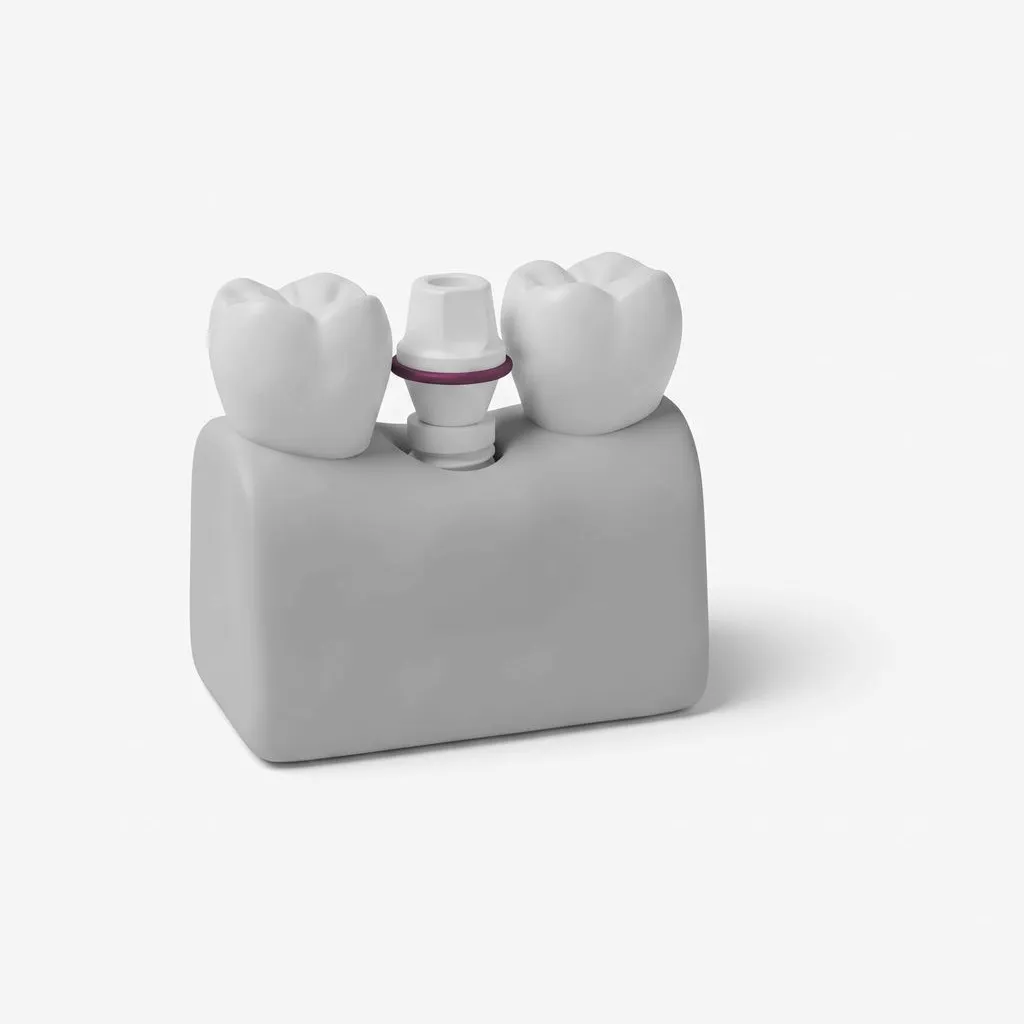
- Immediate restoration: the implant promptly receives a temporary cap or crown – without full chewing load yet.
- Immediate loading: the restoration is fully loaded right away. This is the most demanding variant, established above all for full-arch treatment of the edentulous jaw with several splinted implants.
Which combination is possible in your case is decided by diagnostics – not by the wish list. That is exactly why every immediate implantation with us starts with a 3D CBCT scan.
The advantages: why immediate at all?
Used for the right indication, immediate implantation has tangible advantages:
- One procedure instead of two. Extraction and implantation in a single session – fewer appointments, fewer healing phases, less anxiety.
- Shorter overall treatment time. Months of waiting between extraction and implantation are eliminated.
- Preservation of bone and gum. After an extraction, the jawbone begins to shrink. The immediately placed implant stabilises the socket and helps preserve the natural gum contour – a real aesthetic benefit, especially in the visible front-tooth area.
- No phase without a tooth. In suitable cases you leave the practice with a fixed temporary – important for work and everyday life.
The honest assessment: when immediate is not the right choice
A serious implantologist also tells you when he advises against it. An immediate implantation requires:
- Freedom from infection. With an acute purulent infection at the root tip or in the gum, the inflammation must heal first.
- Sufficient stable bone. The implant must be firmly anchored in the fresh socket (primary stability). If bone is missing, bone augmentation is needed – and a staged approach is then often safer.
- An intact bone wall. If the outer bone lamella has already been destroyed, the risk of bone and gum recession increases.
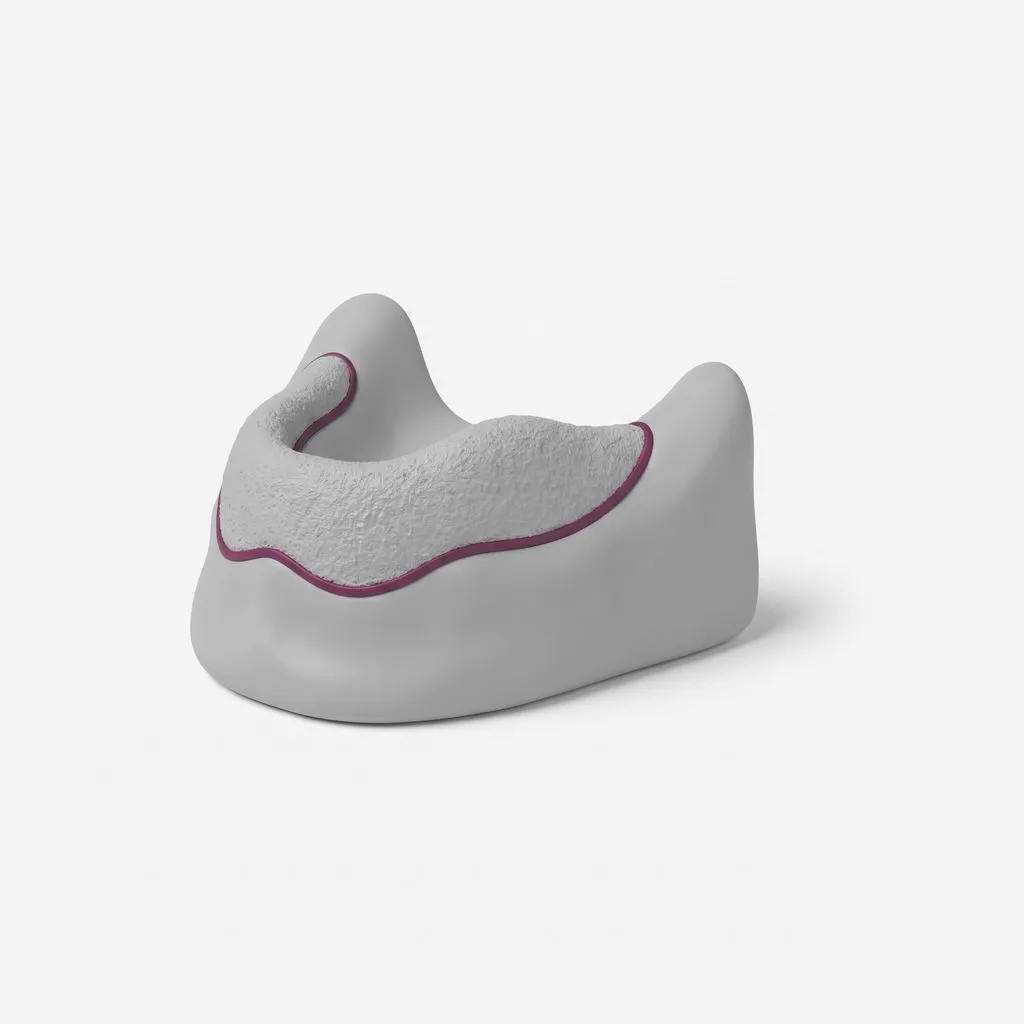
If immediate implantation is not advisable, that does not mean “back to square one”: with socket preservation we protect the socket from collapsing directly after the extraction – and place the implant a few weeks later into a well-preserved bone bed. The result counts, not the label.
How immediate implantation works with us
- Diagnostics and planning. Clinical examination plus 3D CBCT: we assess bone volume, any inflammation and neighbouring structures – and plan the implant position on the computer.
- Gentle tooth extraction. The tooth is removed microsurgically, preserving tissue; the socket stays as intact as possible.
- Implantation in the same session. The implant is anchored – guided by a surgical template where useful – in exactly the planned position. Small gaps are filled with bone substitute; on request, PRF autologous blood therapy supports healing.
- Temporary according to the situation. Depending on stability, you receive a fixed temporary or a protective interim solution.
- Healing and the final crown. Once the implant has fused with the bone, the final restoration follows – precisely fitted and aesthetic.
For patients with dental anxiety, we can accompany the procedure with gentle sedation.
Frequently asked questions about immediate implants
Is an immediate implant more painful than a normal implantation? No – on the contrary: since extraction and implantation take place in one session, there is only one wound-healing phase overall. The procedure itself is performed under local anaesthesia, with sedation on request.
Can everyone get an immediate implant? No. Freedom from infection, bone volume and the stability of the socket are decisive. Whether your situation is suitable is shown by 3D diagnostics – you will receive an honest recommendation in the consultation.
Will I have a gap after the procedure? In suitable cases, no: a fixed temporary closes the gap immediately. If full stability is not yet given, an aesthetic interim solution ensures you are never “without a tooth”.
How long does an immediate implant last? With good care and follow-up, just as long as a conventionally placed implant – what matters is the right indication and precise execution.
Conclusion: fast when it fits – careful always
Immediate implantation combines time savings with tissue preservation – when the starting situation is right. Whether it is possible for you is something we clarify with modern 3D diagnostics and more than 20 years of implantology experience. Book a consultation at our practice at Rosenthaler Platz in Berlin-Mitte – you will receive an honest assessment and a concept that fits your situation. You can find an overview of all treatments under Implantology.