

Augmentation
Bone Grafting (Augmentation)
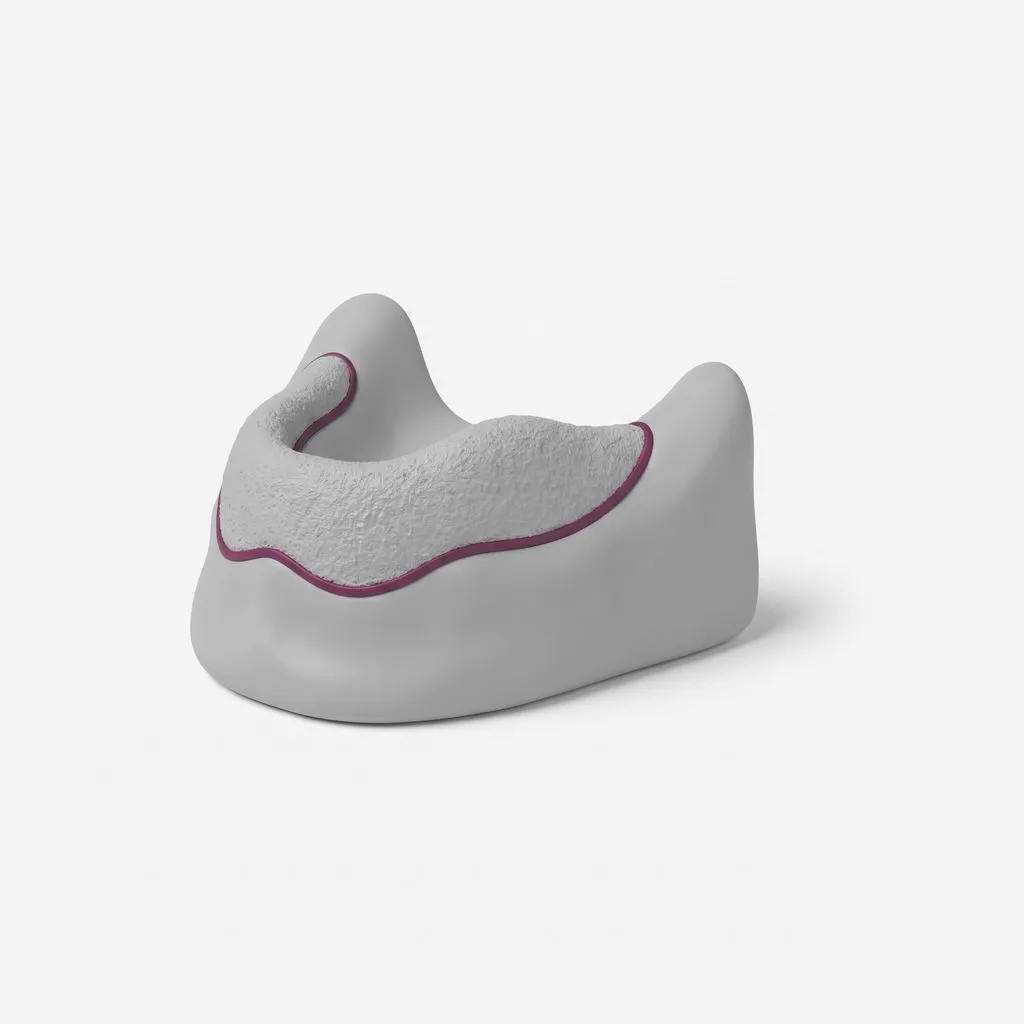
Without sufficient jawbone there can be no stable implant. With modern augmentation procedures – autologous bone, bone substitute material and PRF – we create the anatomical basis for a secure and long-lasting implant restoration even in difficult starting situations.
Sufficient jawbone is essential for the secure, long-term hold of a dental implant. After tooth loss, due to periodontitis or other causes, however, the bone can recede. In such cases bone grafting (augmentation) is necessary to create a stable basis for the implant.
01
Treatment process
- Bone Substitute MaterialBiocompatible material, often of bovine or synthetic origin.
- Autologous BoneThe body's own bone, e.g. harvested from the angle of the jaw.
- Combined ProceduresProcedures with PRF autologous blood therapy to promote healing.
02
Your benefits
- After prolonged tooth loss, since the bone recedes without loading
- In advanced periodontitis
- After injuries, accidents or inflammation
- When the existing bone is insufficient for the planned implant position or length
03
Frequently asked questions
When is bone grafting necessary?
Bone grafting is necessary when the jawbone is not sufficient for a stable implant – for example after prolonged tooth loss, in advanced periodontitis, after injuries or inflammation, or when the existing bone is insufficient for the planned implant position or length.
Which materials are used?
The materials used include biocompatible bone substitute material (often of bovine or synthetic origin), autologous bone (e.g. from the angle of the jaw), and combined procedures with PRF autologous blood therapy to promote healing.
Contact
Make an appointment
Quick and easy online via Doctolib – or give us a call.

More services
Implantology
- The Dental Implant Briefly ExplainedA dental implant replaces not only the visible crown – it replaces the tooth root itself.
- Benefits of Dental Implants – why an implant?An implant protects healthy neighbouring teeth, preserves the jawbone and feels just like a natural tooth.
- Implant Placement Step by Step – the Treatment ProcessA dental implant is a precisely planned process carried out in several carefully coordinated steps – from 3D diagnostics through guided implant placement to the final crown.
- Certified Implantology PracticeThe German Society for Implantology (DGI e. V.) has awarded the practice owner the designated focus in implantology and has recertified it several times.
